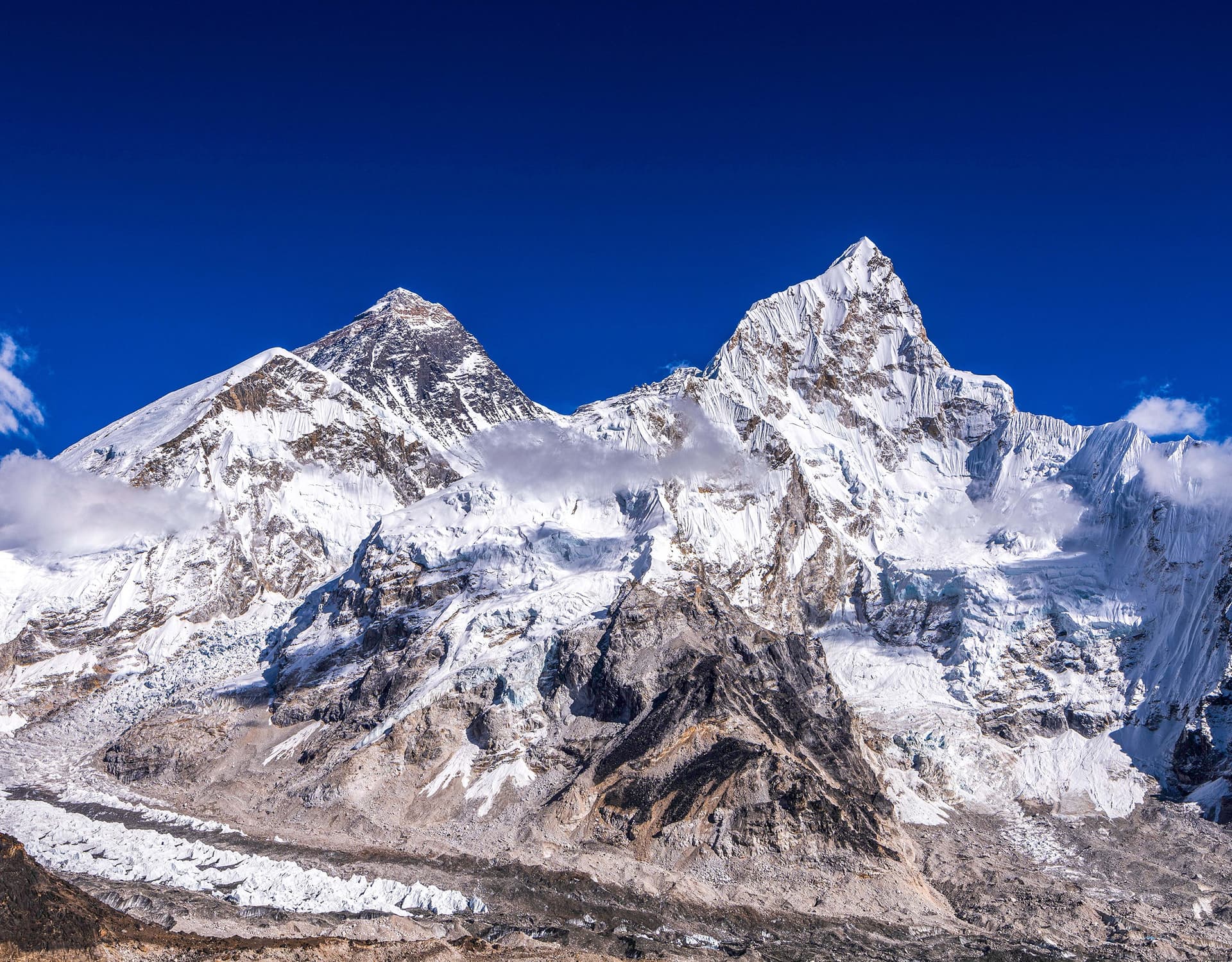
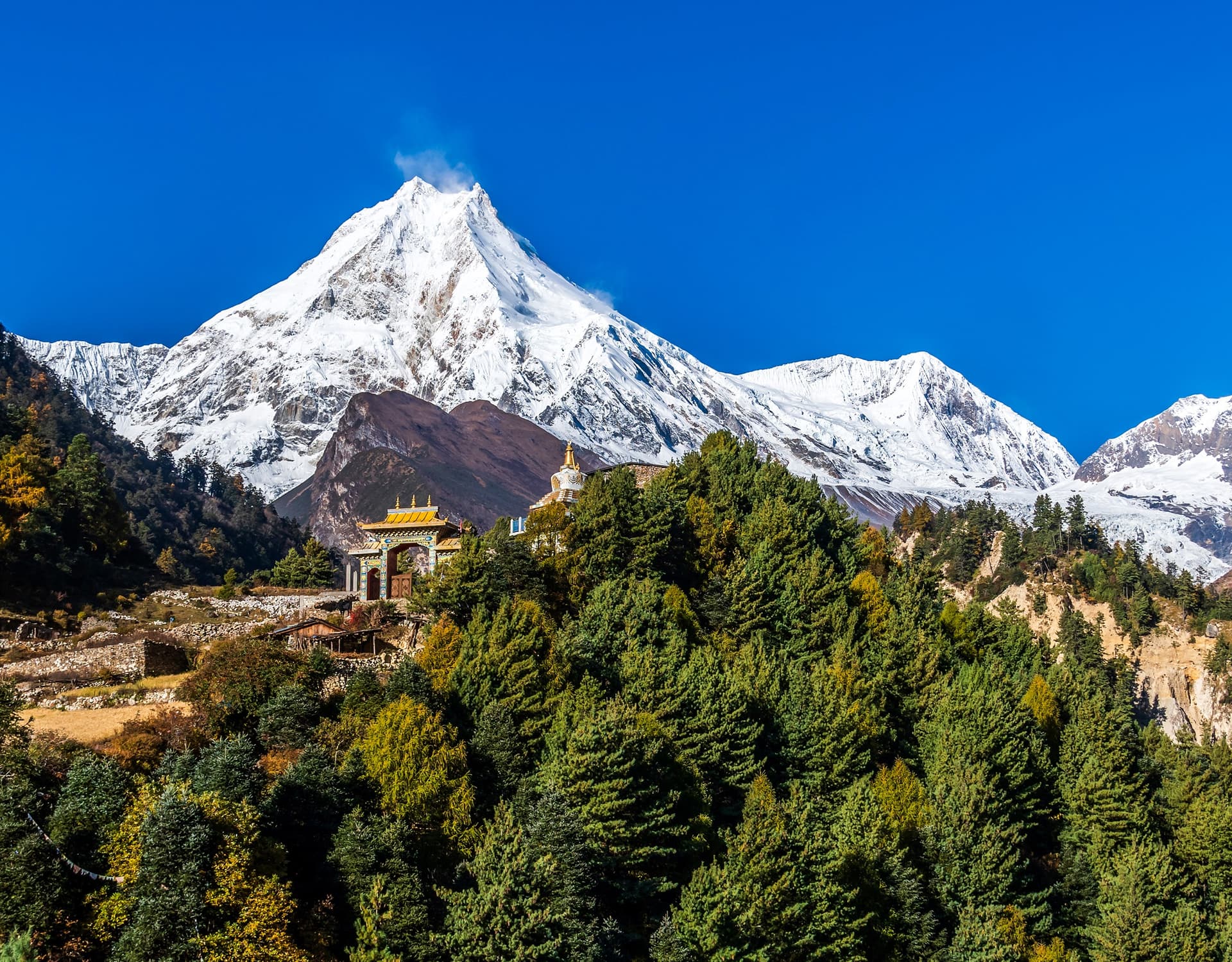
The Annapurna Base Camp Trek is super popular in Nepal. It's second only to the Everest area in that country. What makes this trek so great is that it covers the widest variety of landscapes—the wettest spots, the driest areas, and the windiest, too. As you walk, you'll see pretty villages, amazing waterfalls, and terraced fields. Not to mention the magical rhododendron forests and green meadows. Plus, you get to gaze up at the majestic Annapurna Massif. This mountain range in northwest Nepal is huge, stretching 55 kilometres. It has one peak taller than 8,000 meters, plus many more between 7,000 and 6,000 meters. On this trek, you get to spend tons of time right under these awesome peaks.
DestinationNepal
Duration13 days
GradeModerate
ActivitiesTrekking
AccommodationTea-House and Lodge
Max. Elevation4130m.
Group SizeMin. 1 Pax
Vehicleprivate vehicles
MealsBreakfast, Lunch, and Dinner during The Trek
Overview
The Annapurna Base Camp Trek is one of Nepal's most popular trekking routes. Second only to the Everest region in popularity, the ABC Trek in the Annapurna region is Nepal's most diverse and versatile, encompassing the wettest, driest, and windiest places in the country. The trekking trail passes through beautiful, culturally rich Nepalese hamlets, cascading waterfalls, terraced farms, mystical rhododendron forests, and lush grasslands, reaching the base of the regal Annapurna Massif. Located in northwestern Nepal, the 55-kilometre-long Annapurna Massif comprises one peak above 8,000m, 13 above 7,000m, and over 16 above 6,000m. The Annapurna Base Camp trek and the Pun Hill Trekking offer ample time to rejoice in the close company of the mountains.
The trek will be extremely gratifying as we will witness majestic peaks such as Annapurna I, II, and III, Gangapurna, Himchuli, and Machhapuchhre, along with equally alluring satellite peaks. The trek is also often described as the best of both worlds because, alongside the Himalayan beauty and experience it offers trekkers, it opens the door to the rich cultures of the Gurungs and the Puns residing in the sub-alpine regions of western Nepal. As we pass through diverse vegetation, varying elevations, and different civilisations, the Annapurna Base Camp trek and the Pun Hill Trek offer a journey to explore the unexplored nature and culture waiting for you in Nepal.
Trip Highlights
Within the world’s highest mountains in the Annapurna Base Camp Trek with poon hill Trekking.
From the low, warm tropics to the alpine mid-hills and over to arctic terrains.
Into serene woodlands lined with beautiful rhododendrons, pines, and oak trees.
Visiting traditional Gurung villages, the home of the legendary Gorkha.
An overwhelming everyday scenery of green hills and mountain panorama.
The Annapurna Base Camp and Poon Hill treks begin with a scenic 6-hour bus ride from Kathmandu to the Lake City, Pokhara. A tourist marvel in itself, Pokhara is also the gateway to most of the trekking regions of Western Nepal. From Pokhara, we will commence our trekking towards Ghorepani and Poon Hill – famous villages and viewpoints of the trail within the Annapurna Conservation Area. After savouring the splendid views of the western mountains and indulging in the rich traditions of the natives at the local museum, we will continue our trek northwards. After proper acclimatisation, we will trek through the sub-alpine, arid landscape, with views of Mt. Annapurna and Mt. Machhapuchhre looming in the background.
After exiting the Ghorepani and Poon Hill trek, we will trek through the magical forests of rhododendron, birch, fir, and pine to reach our leading destination – the Annapurna Base Camp trek. In the jungles, we might spot Musk deer, Pheasants, and Himalayan Thar.
We will trek through Chomrong, Dovan, and Machhapuchhre Base Camp to finally reach the base of Mt. Annapurna. From here, we can have 360-degree views of the soaring silver peaks and colossal Annapurna and Gangapurna glaciers, which originate from the massif. Since the Annapurna Base Camp Trek follows a clockwise route, we will not return via the same path. We will trek down from Bamboo to Jhinu Danda, where we can bathe in the hot springs. From there, we will trek down to Pokhara through Potana and Kande. The trek is of moderate difficulty, despite its higher elevations. Anyone in good physical health and with previous trekking experience is a good candidate for the trek.
Itinerary of Annapurna Base Camp Trek - 13 days
Hello and Namaste! Today, you will arrive in this beautiful country to engage in the tempting journey to the Annapurna base camp. Upon arrival, you will meet our courteous TH staff and exchange warm introductions after being transferred to the respective hotels in the heart of Kathmandu, in the Thamel area. You will find this area interesting as you explore the unique culture and heritage, and enjoy meals at premier establishments. After relaxing for a moment at the hotel, our guide will shortly brief you on the details of the trek to Poon Hill and Annapurna Base Camp. Ensure you're ready for the adventure ahead by addressing any concerns you may have. Following the briefing, you will also prepare your trekking supplies. After preparation, you can hang out at the restaurants or chill in your hotel room. Additionally, you can experience Kathmandu's unique blend of ancient traditions and modern influences while enjoying the city's vibrant atmosphere and delicious Nepalese cuisine. To be ready for the wonderful trip that lies ahead, finally relax in your accommodations and get a good night's sleep.
Max. Elevation:1300 M
Duration:30 Min
Distance:6.2 KM
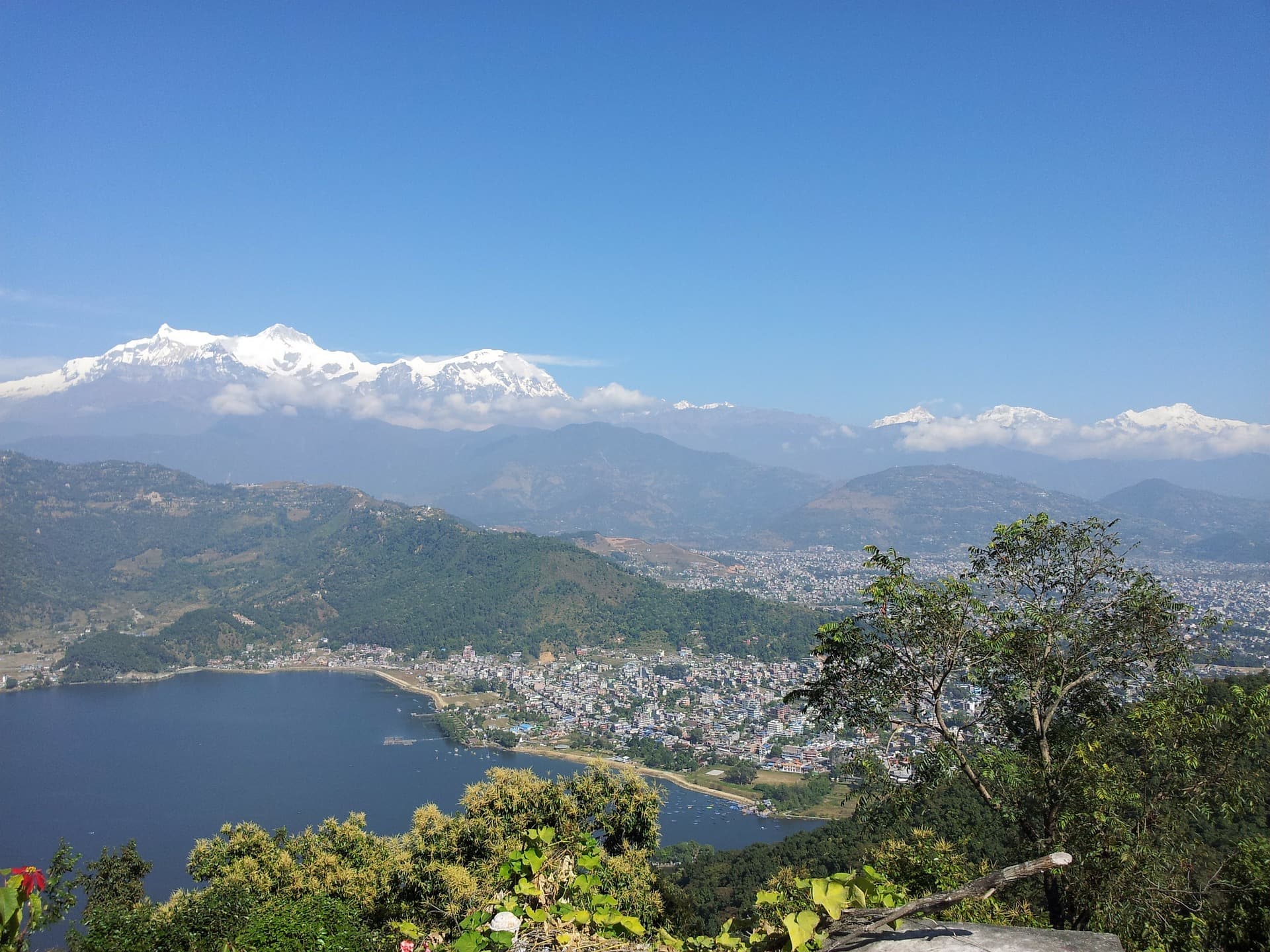
Early this morning, we will depart from Kathmandu for Pokhara. This drive will take you about 6 hours to reach Pokhara. As you go down one of Nepal's main highways, you'll find this journey to be pretty intriguing. Following the Trisuli River through the highway, it turns west and offers views of Ganesh and Langtang Himal. You will also be able to notice the peaks of the Manaslu and Annapurna ranges as the trail approaches Pokhara. After arriving in Pokhara, you'll discover that this location is a tourist's paradise. Many beautiful locations with mountains and lakes are on hand for you to explore in the evening before spending the night at a hotel in Phewa Lake.
Max. Elevation:900 M
Duration:6 Hours
Distance:200 KM
A two-hour drive away from Pokhara, in the west direction, Nayapul will welcome you with fabulous views of the Annapurna Himalaya range, including the stunning Mt. Machhapuchhre. Then, you will begin the trek, following the Modi River for a short distance to the village of Birethanti, a small town located in the Modi Khola valley. After traversing a few suspension bridges and ascending a decent number of steps, we will arrive at the Tikkhedhunga. Altogether, it will take you around four hours to complete. Overnight at the lodge in Tikhedhunga.
Max. Elevation:1100 M
Duration:1.5 to 2 Hours
Distance:45 KM
Today, after having breakfast, the trek will start with a climb on long stone steps to the Traditional Gurung village of Ulleri. This village's majority of homes have stone slate roofs and views of Mount Annapurna South, Hiunchuli, and Machhapuchare. Further, the trail will go through a lovely forest path that consists of thick rhododendrons, pines, and oak trees. Finally, the path will follow the steep uphill and gradual section, which will ultimately take you to scenic Ghorepani with the majestic views of Dhaulagiri, Tukuche, Nilgiri, Annapurna South, and Annapurna Fang. Overnight at the lodge in Ghorepani.
Max. Elevation:2800 M
Duration:6 Hours
Distance:12.9 KM
Today, before dawn, we have to reach Poon Hill for the Spectacular sunrise views. The sunrise view will be accompanied by the breathtaking natural landscape of the rhododendron forest here. This spot offers views of the high Himalayas, including Mt. Dhaulagiri, Mt. Annapurna, Mt. Machhapuchre, and Manasalu, as well as the western Himalayas. After an excellent and adventurous experience in Poon Hill, you will go to Ghorepani for breakfast. From here, you will start your trek through tranquil rhododendrons & pine woods towards Tadapani. The trek will begin with an ascent, and from Deurali, you will descend to Bhanthati village, which is situated in a canyon. From this village, you will travel from Bhanthati downhill for another two hours before climbing uphill to Tadapani, where you will spend the night. The stunning vistas of Annapurna, Hiunchuli, Machhapuchhre, and the Manaslu and Lamjung Himal range await you here.
Max. Elevation:2721 M
Duration:5 hours
Distance:10.7 Km
Today, you will start your day with the beautiful views of the mountains. You will need to come down to the alpine forest and follow the Kimrong River. A few moments later, you will do a steep climb for an hour to reach a ridge in the forested area with a couple of tea shops. Following the gradual trail with a few short ups and downs, you will reach the top of Chomrong village. Here, you will get to see the great views of Annapurna South and Hiunchuli at a close distance. Finally, from Chommrong, you will descend to the river. After crossing the bridge and climbing for an hour, you will reach Sinuwa Dada for an overnight stay.
Max. Elevation:2300 M
Duration:6 Hours
Distance:7.6 KM
After leaving Sinuwa today, we will head upwards to Upper Modi Khola valley. Passing by the lush forest of Chommrong, it would take us two hours to reach Dovan on an uphill climb. Most of the day will be spent climbing uphill, which will challenge you both mentally and physically. Once more, you will set out on your adventure and enjoy a pleasant stroll among flowing rivers and several ups and downs until you arrive at the Himalaya Hotel, which is situated between the Annapurna South and Hinku Cave. Finally, you will descend from here to the ice- and rock-covered Landslide region. After crossing it, you will eventually need to ascend a little distance to reach Deurali, where you will spend your night.
Max. Elevation:3200
Duration:6 hours
Distance:11 Km
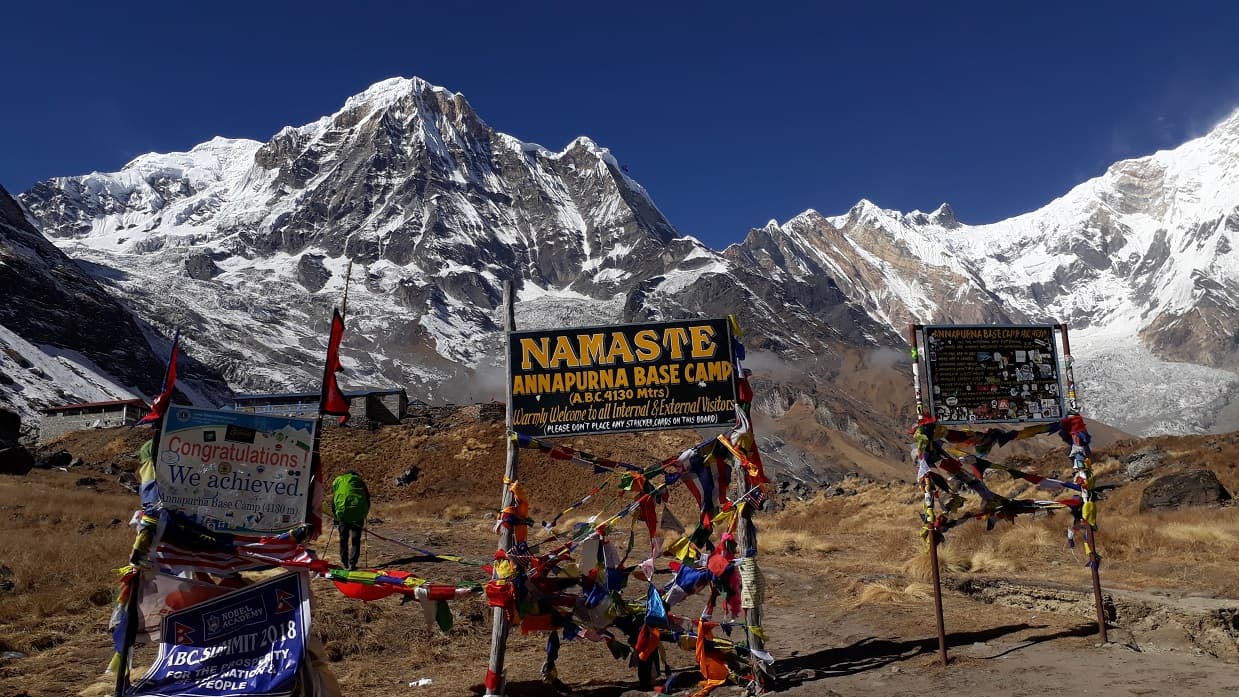
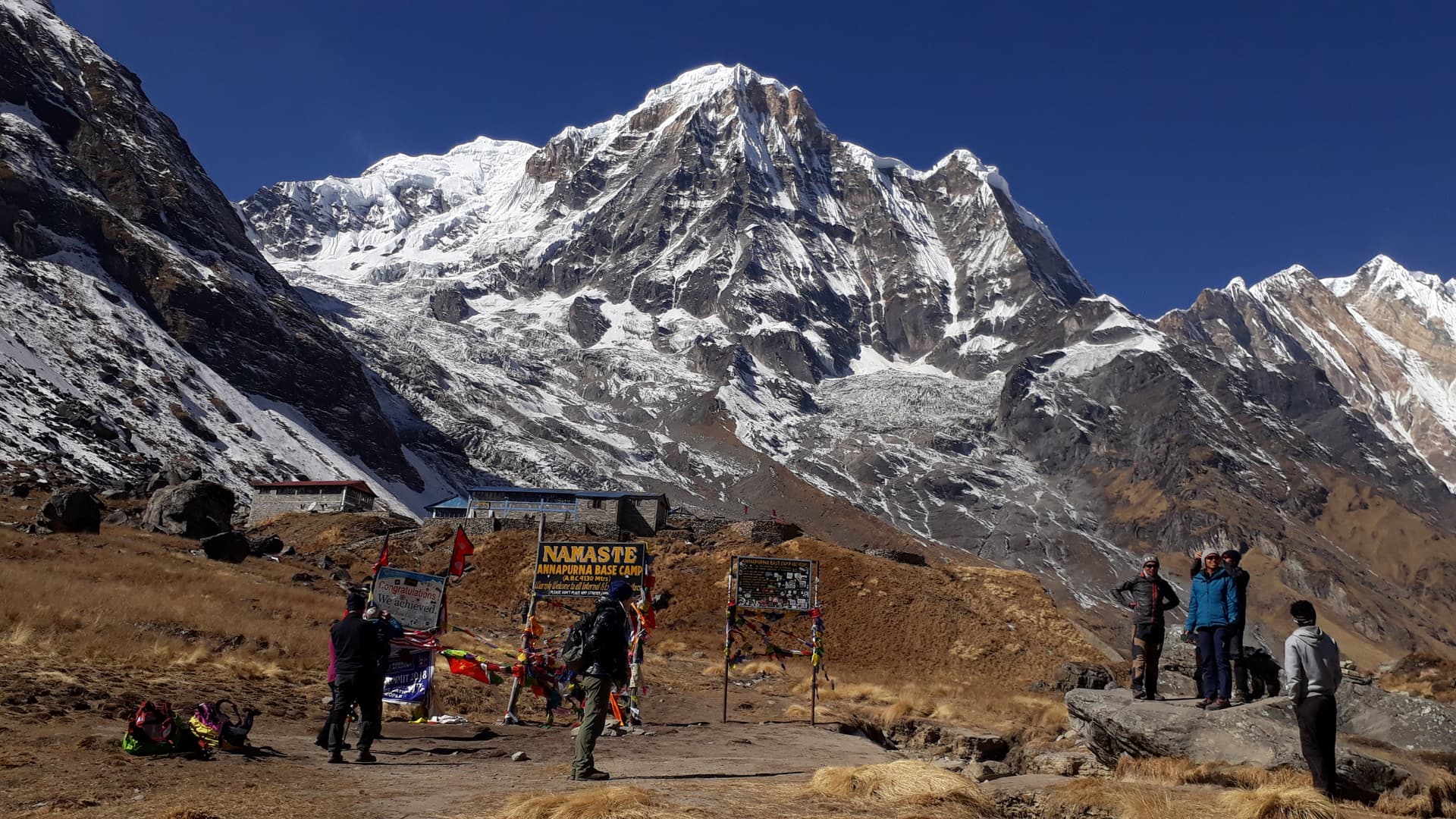
Today is your ultimate day, as you will be heading to the Annapurna Base Camp. This ultimate morning starts with a walk that takes you through the Modi River. Passing through, you will encounter several uphill and downhill sections, which then eventually leave the vegetation and reach the Machhapuchre base camp. Here you will have a short tea break. You can also decide to remain here if you are concerned and doubtful about altitude sickness. Otherwise, you shall go to the ABC by passing a handful of houses near a moraine without roofs. Be ready since this region is frequently windy and snowy, but the view of the south face of Annapurna is well worth it. Finally, you will arrive at the ABC after approximately six hours of walking, where you will be encircled by a view of the snow-capped Himalayas. You can see Machhapuchhre, Annapurna South, Annapurna I, Hiunchuli, and other peaks clearly from the base camp. After you reach here, there is nothing you should be worrying about. All you have to do is immerse yourself in the natural beauty of the mountains. Overnight at the teahouse in Annapurna Base Camp.
Max. Elevation:4130
Duration:4 Hours
Distance:7.7 KM
Waking up in the amphitheater of the Mountains, you will get to catch a glimpse of the sun rising above from the gigantic peak Annapurna I. We are sure that this moment will be a lifetime experience for many trekkers. After spending some time in the awe-inspiring and picturesque Annapurna Base Camp, you will come down the same path to Bamboo Place for an overnight break.
Max. Elevation:2050
Duration:6 hours
Distance:16.7 KM
The morning will start with a short uphill and downhill section, and then proceed to Sinuwa. From Sinuwa, you will come down to the Chommrong River and then up to the Chommrong village for lunch. From Chomrong, you will descend to Jhinu Dada, located near the Modi River, for an overnight stay. Moreover, you will enjoy the Natural hot spring here to ease your body from the tiredness of the trek. Overnight at the lodge in Jhinu Dada.
Max. Elevation:1700
Duration:5 hours
Today, you will need to prepare for the long journey as you approach the endpoint of the trek. In the morning, you come down to the bridge and pass waterfalls and forests. First, we'll travel down the Modi River to the settlement of Landruk, where we'll take a short break. As you continue your walk, you will follow the downward trail, which will take you back to Syauli Bazaar. Leaving Syauli Bazaar, you will travel over simpler terrain and smaller towns until you arrive at Birethanti, which is close to the Modi River, and finally onto Nayapul. You will travel to Pokhara for the night, following an easy 30-minute trek to Nayapul, which will give you free time in the Afternoon.
Max. Elevation:1100
Duration:5 to 6 Hours
Distance:10 to 11 Km
After an early morning breakfast in Pokhara, you will do a scenic drive from Pokhara to Kathmandu. Generally, driving back to Kathmandu would take 6 hours of scenic journey, and people who wish to travel by air would take 30 minutes of a panoramic flight. Upon arriving in Kathmandu, we will transfer you to your hotel, allowing you to rest and explore the city in the evening. Overnight at the hotel in Kathmandu.
Max. Elevation:1300
Duration:6 Hours
Distance:200 Km
Today, you will spend your last morning in this lovely nation with an exquisite breakfast. Today, we must bid you farewell in a very difficult way after sharing an incredible and unforgettable weekend in the mountains with you. We will send a courteous representative to escort you to the terminal at Kathmandu International Airport three hours before your flight. Even if we've parted ways with you now, we hope to cross paths again later.
Max. Elevation:1300
If the provided schedule isn't suitable for you, we can create personalized travel arrangements.
A "standard package" for the Annapurna Base Camp Trek is a comprehensive and all-inclusive option designed for travelers who want a balanced experience without a high price tag. These treks are typically between 10-14 days.
Book your own private small group trip
**Discounts are determined exclusively by the size of your group. We do not add additional members to your group.
July 2026
Su
Mo
Tu
We
Th
Fr
Sa
28
29
30
1
2
3
4
5
6
7
8
9
10
11
12
13
14
15
16
17
18
19
20
21
22
23
24
25
26
27
28
29
30
31
1
Sold out dates
US $0US $0 per person (based on 1 people)
Cost Includes
Pickups and drops from hotels and airports.
4-night 3-star category hotel in Kathmandu /Pokhara and Teahouses during the trek.
Breakfast in Kathmandu and Pokhara, and all meals during the trek. (BREAKFAST, LUNCH, AND DINNERS).
Kathmandu to Pokhara and Pokhara to Kathmandu by Tourist bus, and Pokhara to Nayapul and Nayapul to Pokhara by private vehicle.
All necessary paperwork and permits (ACAP, TIMS)
All our government taxes, VAT, and Tourist service charges.
An experienced, knowledgeable, helpful, friendly, and English-speaking Trekking guide and porter to carry luggage. (2 trekkers, one porter)
Food, drinks, accommodation, insurance, salary, equipment, Transportation, and medicine are all stuff.
Twins sharing comfortable and clean private rooms on the trek.
Down jacket and sleeping bag by Team Himalaya (which need to be returned after the trek).
Farewell dinner in Kathmandu at an authentic Nepalese restaurant with cultural programs.
Provide a pulse oximeter for monitoring blood oxygen saturation at high altitudes.
Water purification tablets for safe drinking water.
Fresh fruit is seasonal during the trip, after dinner.
Group medical supplies (a first aid kit will be available)
Annapurna base camp Trek map.
Trip achievement appreciation certificate.
Official expense.
Travel and rescue arrangements.
Local SIM card.
Cost Excludes
Lunch and dinner in Kathmandu and Pokhara.
Personal expenses (phone calls, laundry, Hot and cold drinks, battery recharge, extra porter, bottle or boiled water, shower, etc.)
International airfare to and from Kathmandu.
Travel and rescue insurance.
Excess baggage charge
Extra night accommodation in Kathmandu because of early, late, or early return from the mountain (due to any reason) than the scheduled.
Tips for trekking staff and driver (tipping is expected).
Route Map
Loading map...
Know Before you Go
Best Time to Go:
The Annapurna Base Camp Trek (ABC) is best undertaken in spring (March–May) or autumn (September–November). During spring, trekkers enjoy colorful rhododendrons and lush landscapes with comfortable temperatures, while autumn provides clear skies and some of the most reliable weather in the region. Winter brings fewer trekkers and quieter trails, but temperatures drop significantly, and higher paths may be snow-covered. The monsoon period, from June to August, is the least ideal for trekking because of heavy rainfall, slippery trails, and limited visibility of the mountains. Tip: For good weather and fewer crowds, plan your trek for late March or late November, when conditions are balanced.
Difficulty:
The Annapurna Base Camp Trek is a moderate-level adventure, ideal for trekkers with a decent level of fitness. The trail features a mix of stone steps, forest paths, and uphill climbs, with daily walking times of 5 to 7 hours. No technical climbing skills are required, making it accessible to beginners, but stamina and preparation are important. Trekkers gradually ascend to higher altitudes, which helps the body adapt naturally, though some steep ascents around Ulleri and Chomrong can be physically demanding. Tip: Consistent training with long walks or short hikes before your trip makes the trek far more comfortable.
Accommodation and Food:
Tea houses and lodges line the trekking route, offering basic yet comfortable accommodations. Most rooms are twin-sharing with simple bedding, and dining halls are often heated with a traditional stove. Meals are varied, ranging from Nepali dal bhat to pasta, soups, pancakes, and fried rice. The higher you go, the more limited the menu becomes due to transportation challenges, but food is freshly prepared and nourishing. Although Wi-Fi and hot showers are available in some tea houses, they often incur an extra charge at higher altitudes. Tip: Bring a lightweight sleeping bag for extra warmth, especially at higher camps like Deurali and ABC.
Permits:
Trekkers need two main permits: the Annapurna Conservation Area Permit (ACAP) and the Trekkers’ Information Management System (TIMS) card. These permits are available in Kathmandu and Pokhara, and your trekking agency or guide usually arranges them for you. The ACAP helps fund conservation projects in the region, while TIMS is designed to keep trekkers safe and registered. Permit checks are frequent along the trail, particularly at Birethanti and Chomrong. Tip: Always keep your permits in a waterproof pouch so they remain intact even in rain or snow.
Culture and History:
The Annapurna region is abundant in cultural heritage and traditional practices, with Gurung, Magar, and other ethnic groups inhabiting the area. Villages like Ghandruk and Chomrong showcase traditional stone houses, terraced farms, and warm hospitality. Along the trek, you’ll encounter Buddhist monasteries, prayer wheels, and chortens draped in colorful prayer flags, each symbolizing peace and good fortune. The cultural mix of Hindu and Buddhist practices adds depth to the trekking experience, giving travelers an authentic taste of Nepalese heritage. Tip: Respect local customs by walking clockwise around prayer wheels and chortens as a sign of reverence.
Acclimatization and Altitude Sickness:
The trek culminates at Annapurna Base Camp, which stands at an elevation of 4,130 meters. The gradual ascent over several days provides natural acclimatization, but trekkers should still be cautious. Typical signs of altitude sickness include headaches, nausea, and trouble sleeping. Walking slowly, drinking plenty of water, and resting when needed are the best precautions. If symptoms become more severe, the safest course of action is to descend to a lower altitude. Tip: Carry Diamox or consult your doctor about altitude medication as a preventive measure if you’re sensitive to high altitude.
Insurance:
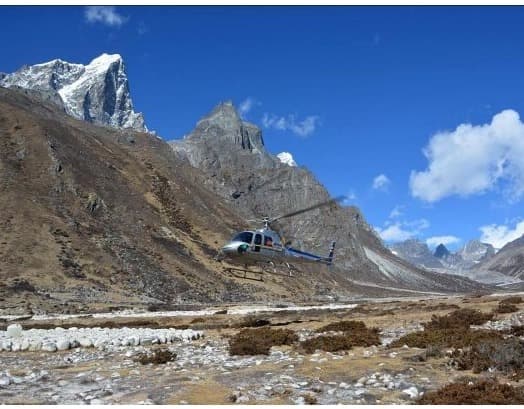
Trekking insurance is highly recommended for the Annapurna Base Camp trek. A reliable travel insurance policy should include coverage for emergency helicopter evacuation, medical costs, trip cancellations, and lost luggage. Helicopter rescues in Nepal are expensive, so proper coverage ensures peace of mind. Make sure your policy specifically covers trekking above 4,000 meters, as many standard travel insurance policies do not. Tip: Carry a printed copy of your insurance details for quick access in case of emergencies.
Transportation:
The trek generally starts after traveling from Kathmandu to Pokhara by road, which takes around 6-7 hours. From Pokhara, a short drive brings you to Nayapul or Kande, the common starting points of the trek. Tourist buses are the most economical option for the Kathmandu–Pokhara journey, while private jeeps are faster, more comfortable, and more flexible for groups. Roads can be bumpy in some stretches, but they also provide scenic views of rivers, forests, and terraced hillsides. Tip: If you choose a bus, book a comfortable tourist coach with air conditioning and better seating for a smoother journey.
Electricity and Communication:
Electricity is available in most tea-houses, though the power supply can be unreliable, especially in higher areas. Charging electronic devices often comes with an additional fee, so it’s best to carry a power bank. Mobile signals work in lower villages but get weaker as you approach higher elevations like Deurali or ABC. Some lodges offer Wi-Fi, though speeds can be slow. Tip: Buy a local SIM card in Kathmandu or Pokhara for better mobile coverage and cheaper internet access.
Drinking Water:
Access to safe drinking water is crucial on the trek. Although bottled water can be purchased, prices increase at higher altitudes, and it adds to plastic pollution. Tea-houses often provide boiled or filtered water for a small fee. Trekkers are encouraged to bring reusable bottles and purification tablets or filters to ensure safe and sustainable drinking water. Tip: Use insulated bottles so that hot water from tea houses stays warm longer on cold nights.
Guide and Porter:
Hiring a licensed guide enriches the trekking experience by providing cultural insights, ensuring safety, and handling logistics. Porters help carry heavy loads, allowing trekkers to walk comfortably and enjoy the journey. While independent trekking is possible, guides and porters add safety, especially in case of altitude-related issues or sudden weather changes. Tip: Show appreciation by tipping guides and porters fairly, as their efforts make your trek smoother and safer.
Money and Payment:
Nepal’s currency is the Nepalese Rupee (NPR), and cash remains the most commonly accepted method of payment along the trekking routes. ATMs are available in Pokhara and some lower villages, but higher-altitude tea-houses rarely have cash facilities. Credit cards are generally not accepted in villages along the trail. It’s wise to carry sufficient cash for food, tea-house bills, and small purchases like bottled water, snacks, or souvenirs. Tip: Carry small denominations of cash, as tea-houses often do not have change for large bills.
Health and Safety:
Basic first-aid kits should be carried, including medications for headaches, stomach issues, and altitude sickness. Mosquito repellent, sunscreen, and sunglasses are essential for sunny days and insect-prone areas. Local health posts are available in lower villages, but serious emergencies require evacuation to Pokhara. Maintaining hygiene and boiling or filtering water reduces the risk of illness. Tip: Travel with a small medical kit and consult a doctor before departure for personalized health advice.
Packing List
For the Annapurna Base Camp Trek, packing light yet smart is key to a safe and enjoyable journey. Essential items include:
* Comfortable trekking boots (already broken in) * Layered clothing: moisture-wicking base layers, fleece jacket, down jacket, and rainproof outer shell * Warm hats, gloves, and thermal socks * Sleeping bag (rated at least -10°C for higher camps) * Trekking poles for steep ascents and descents * Reusable water bottles, water purification tablets, or a filter bottle * Sunglasses, sunscreen, lip balm, and personal toiletries * Headlamp with spare batteries * First-aid kit including personal medicines and altitude tablets * Portable charger or solar power bank * Lightweight snacks such as nuts, chocolate, or energy bars * Flip-flops or sandals for tea-house evenings * Lightweight backpack rain cover * Quick-dry towel and extra socks/innerwear
Tip: Carrying the right gear ensures you remain safe, warm, and comfortable throughout the trek, even in unpredictable mountain conditions.
It was an incredible experience being surrounded by the towering Annapurna Himalayas. This memorable trek through Nepal offered the best scenic views and stunning landscapes. Despite being surprised at how quickly the trek ended, the daily walks were filled with dramatic views that left a lasting impression.
I highly recommend this adventure, as it is one of the best base camp treks in the Himalayas with minimal risk of altitude sickness. Although there were steep ups and downs that were tiring on some days, the breathtaking views made it all worth it. This was easily the most exciting trek I have ever experienced.
I want to thank Team Himalayas and Raj for providing exceptional service with their expert guide and staff.
Frequently Asked Questions About the Annapurna Base Camp Trek
Why is the Annapurna Base Camp Trek so popular?
This trek is one of Nepal’s most visited routes after Everest. Hikers traverse waterfalls, terraced fields, forests, and traditional villages while enjoying close-up views of Annapurna, Machhapuchhre, Hiunchuli, and several other peaks.
How high are the peaks in the Annapurna region?
The Annapurna range spans roughly 55 km and features one peak over 8,000m, 13 peaks above 7,000m, and more than 16 above 6,000m. Key highlights include Annapurna I, Gangapurna, and Machhapuchhre.
What cultural experiences are offered on this trek?
The route passes through Gurung and Magar villages, known for their rich traditions. Trekkers can experience unique architecture, local museums, and warm Himalayan hospitality, blending adventure with cultural immersion.
How challenging is the Annapurna Base Camp Trek?
This trek is considered moderate, with several steep sections. Hikers typically walk 5–7 hours daily at altitudes starting from 2,000m. Good fitness and some hiking experience are recommended.
How long does the trek usually take?
A standard itinerary spans about 13 days, starting from Kathmandu and ending in Pokhara. Highlights include Ghorepani, Poon Hill, Machhapuchhre Base Camp, and Annapurna Base Camp, with daily distances and elevation varying along the trail.
Where does the trek begin?
After reaching Pokhara by road from Kathmandu, the trek officially starts at Nayapul (1,100m). From there, the trail passes through Tikhedhunga and Birethanti and follows scenic riverside paths.
What are the main attractions along the way?
Sunrise at Poon Hill, rhododendron and pine forests, hot springs at Jhinu Danda, and the amphitheater-like views at Annapurna Base Camp are key highlights. Wildlife sightings and panoramic vistas enrich the journey.
What is the highest point of the trek?
Annapurna Base Camp, at 4,130m, is the trek’s highest point. From here, hikers can enjoy 360° views of Annapurna I, Machhapuchhre, Hiunchuli, and surrounding glaciers.
Which villages are commonly visited?
Major stops include Tikhedhunga, Ghorepani, Tadapani, Chomrong, Sinuwa, Dovan, Deurali, Machhapuchhre Base Camp, Annapurna Base Camp, Bamboo, and Jhinu Danda. All have teahouses offering food and lodging.
Can trekkers see wildlife?
Yes. Forested areas are home to Himalayan thar, musk deer, and various pheasants. Birdwatchers can enjoy the diverse species inhabiting rhododendron and oak forests.
What happens upon reaching Annapurna Base Camp?
Trekkers often spend a night at base camp, soaking in the sunrise and mountain views. On the return journey, they descend via Bamboo and Jhinu Danda, with the Jhinu hot springs being a favorite reward.
How does the trek conclude?
From Jhinu Danda, hikers descend to Nayapul and then take a short drive back to Pokhara. The trek ends with relaxation at Phewa Lake, followed by a drive or flight back to Kathmandu.
What is the total elevation gain?
The trek starts at 1,100m in Nayapul and gradually rises to 4,130m at Annapurna Base Camp. Overnight stops are typically between 1,700m and 3,200m, allowing proper acclimatization.
How long are the daily walks?
Most days involve 5–7 hours of trekking, covering 7–15 km. Trails include a mix of steep climbs, gentle slopes, and descents, with teahouses available for rest and meals.
Is this trek suitable for beginners?
Yes. Beginners with adequate fitness and preparation can attempt it. Using a guide or porter can make the journey more comfortable.
Which permits are required?
Hikers need the Annapurna Conservation Area Permit (ACAP) and a TIMS card. These permits can be acquired in Kathmandu or Pokhara and play a key role in protecting the trekking areas.
When is the ideal season for trekking?
Spring (March–May) and autumn (September–November) offer stable weather, clear skies, and blooming rhododendrons. Winter and monsoon treks are possible but require extra preparation.
What types of food are available?
Teahouses serve traditional meals like dal bhat, noodles, soups, rice, and potatoes, and some also offer Western dishes such as pancakes or pasta. Choices reduce at higher altitudes, and prices may increase slightly.
Is drinking water safe along the trail?
Yes. Water is available at teahouses, but it’s advisable to use purification tablets or a filter for safety and environmental reasons. Many trekkers drink boiled or treated water.
What essential gear should I bring?
Important items include trekking boots, warm clothing, a down jacket, rain gear, and a sleeping bag. A headlamp, trekking poles, a water purifier, and a power bank are also recommended. Packing light helps make daily walks easier.